Twickenham
Fire safety services in Twickenham
Send a brief description of your home or building to find out which service applies. There is no fee for the initial enquiry, and no obligation to book anything once you know what is needed.
Assessing the fire risk in your home or building
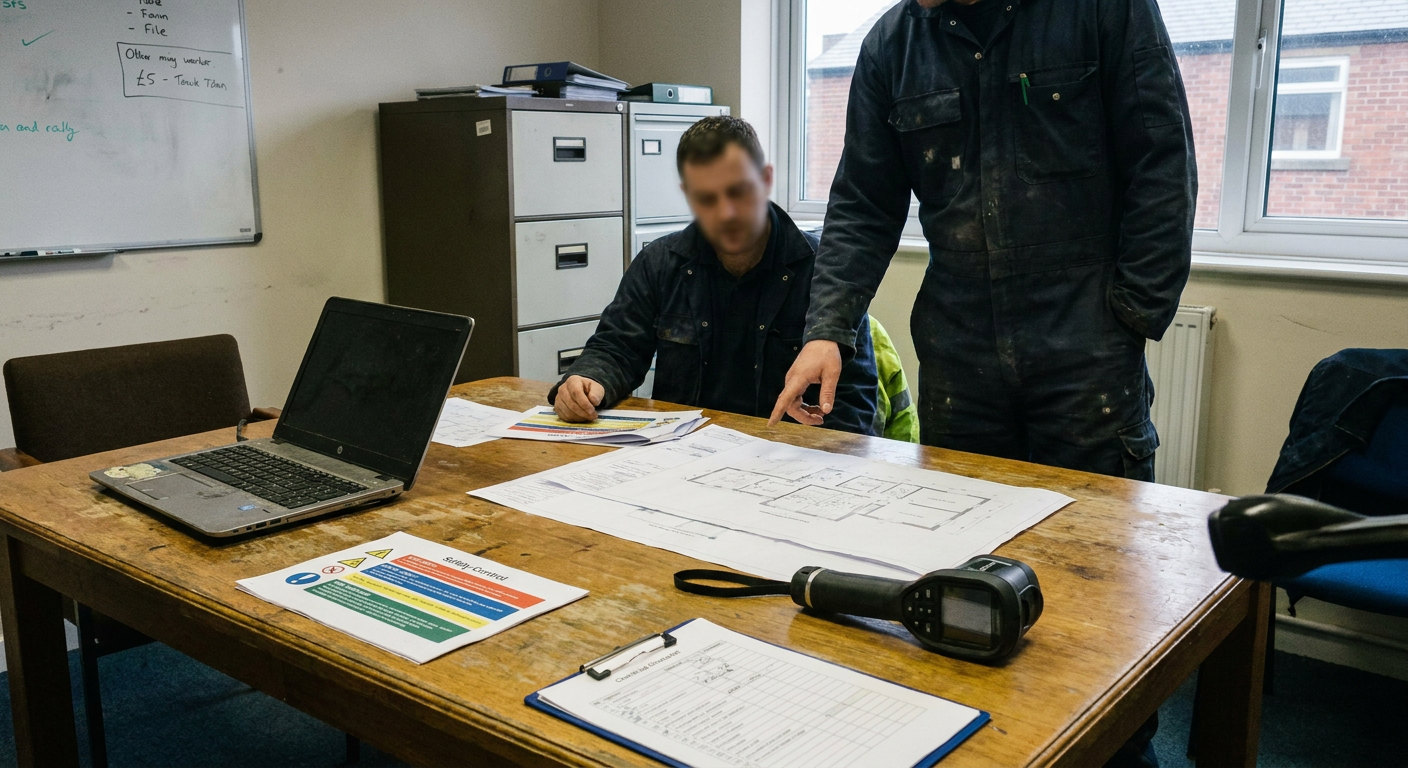
A fire risk assessment is the starting point for any building where people live or work together. The specialist firm examines escape routes, alarms, and the materials used in construction to determine where a fire might start and how fast it could spread.
For blocks of flats and shared homes, the Fire Safety England Regulations 2022 set specific duties that the responsible person must meet. Landlords running houses in multiple occupation face additional conditions tied to their HMO licence.
The assessor produces a written record of what they find and what needs to change. If you are unsure whether your building requires one, or when the last review should have happened, the guidance on arranging a fire risk assessment explains the timing.
Checking fire doors and compartmentation barriers
Fire doors hold back smoke and flames long enough for people to get out. Over time, hinges drop, seals perish, and self-closers fail. A fire door inspection checks every component against the standard it was built to meet, including the gaps around the frame and the glazing.
Compartmentation is the hidden structure behind the walls and above the ceilings. It divides a building into sealed boxes so a fire stays in the room where it starts. A compartmentation survey traces these barriers through loft spaces, riser cupboards, and service ducts to confirm nothing has been breached by later building work.
Both inspections produce a schedule of defects. The specialist firm notes exactly which doors or barriers need attention, so the responsible person can arrange repairs without guessing what matters most.
Planning escapes and writing the fire strategy
An evacuation plan maps the route from every room to a place of safety outside. In blocks of flats, this often means a stay-put policy supported by working compartmentation. In offices and commercial units, simultaneous evacuation is more common.
The fire strategy goes further. It sets out the principles behind the building's design: why certain corridors exist, how the alarm system operates, and what happens if a lift fails during an emergency. When a building changes use, or when an enforcement notice arrives, the strategy is usually the first document requested.
The specialist firm writes these plans to match the actual layout of the building, rather than applying a generic template. Residents and staff then receive a document they can follow under pressure.
Training wardens and raising staff awareness
People who work in a building need to know what to do when an alarm sounds. Fire safety awareness training covers the basics: how to raise the alarm, which exits to use, and why certain doors must stay closed.
Fire warden training goes deeper. Wardens learn how to sweep a floor, account for visitors, and decide when it is safe to re-enter. They also practice using extinguishers on controlled fires, so the equipment does not feel unfamiliar in an emergency.
For landlords who cannot manage these duties themselves, a nominated fire safety person can take on the day-to-day responsibilities. This role handles the paperwork, schedules the checks, and acts as the single point of contact for tenants and the fire authority.
Policies, health reports and equipment testing
A fire safety policy turns legal duties into a working routine. It records who checks the alarms, how often the extinguishers are serviced, and what happens after a false alarm. Without it, tasks slip between contractors and residents.
Health and safety reports cover the wider risks in a building, from blocked stairwells to faulty wiring near combustible materials. These documents sit alongside the fire risk assessment and give the responsible person a complete picture of what needs fixing.
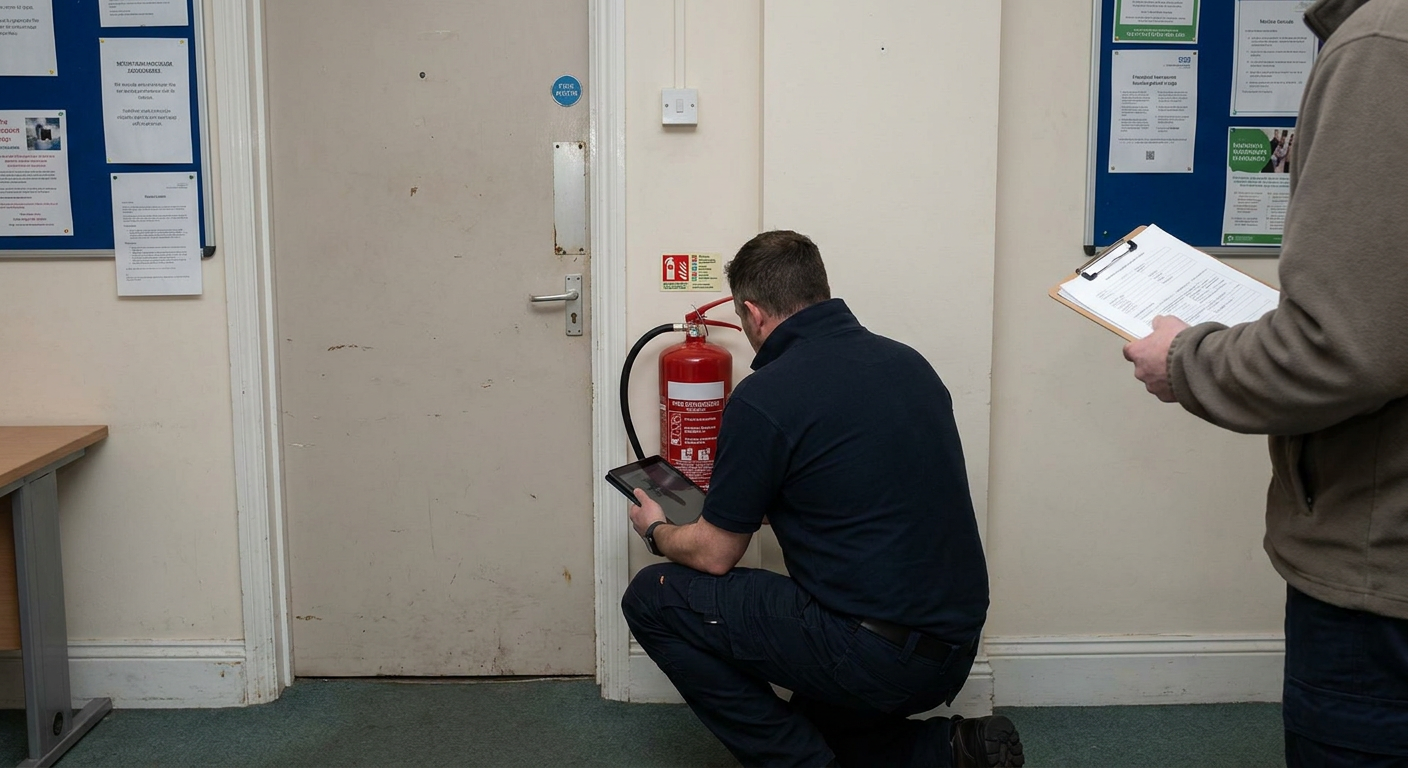
Fire equipment testing ensures extinguishers, blankets, and hose reels are charged and accessible. The specialist firm advises on service intervals and flags any equipment that has passed its working life. For student accommodation and flats above shops, these checks often form part of the annual licensing requirements.
Ask about fire risk management in Twickenham
Describe your building and what concerns you. The enquiry goes to a specialist firm who will reply with what applies to your situation, at no cost and with no commitment to proceed.
- No fee to enquire
- No obligation to book
- Plain advice first
Fire safety
- Fire risk assessment
A fire risk assessor in Twickenham looks at ignition sources, escape routes, alarms and record keeping. Find out what affects the cost before you book.
- Fire door inspection
Fire door inspection in Twickenham covers gaps, seals, hinges, closers and glazing on flat entrance and communal doors, with a written record of faults.
- Compartmentation
A compartmentation survey in Twickenham checks fire walls, floors, ceiling voids and service penetrations for gaps that let smoke spread between flats.
- Fire strategy
A fire strategy sets out how a Twickenham building is designed to keep people safe, covering escape routes, compartmentation and what it should record.
- Evacuation Plans
Fire evacuation plans in Twickenham cover escape routes, assembly points, roll call and help for anyone who needs assistance to leave the building safely.
- Awareness Training
Fire safety awareness training in Twickenham covers how fires start, what the alarm means, safe use of extinguishers and when to leave a building.
- Fire Warden Training
Fire warden training in Twickenham covers floor sweeps, assembly point duties, headcounts and reporting, suiting staff who take on the warden role.
- Nominated person
A nominated fire safety person takes on named responsibility for fire safety duties at a Twickenham building, from record keeping to routine checks.
- Fire safety policy
A written fire safety policy for Twickenham premises sets out who does what, how records are kept and the procedures staff are expected to follow.
- Health and safety
Health and safety reports for Twickenham landlords and employers cover the risks found, the actions needed and the records an inspector may ask to see.
- Equipment testing
Fire extinguisher testing in Twickenham covers yearly servicing, monthly visual checks and the paperwork that shows equipment is fit for use.