Twickenham
Fire extinguisher testing in Twickenham buildings
Describe your building and the equipment it holds. A specialist firm will explain what needs servicing and when, with no charge for that initial advice.
Equipment checks
Testing and maintenance in Twickenham
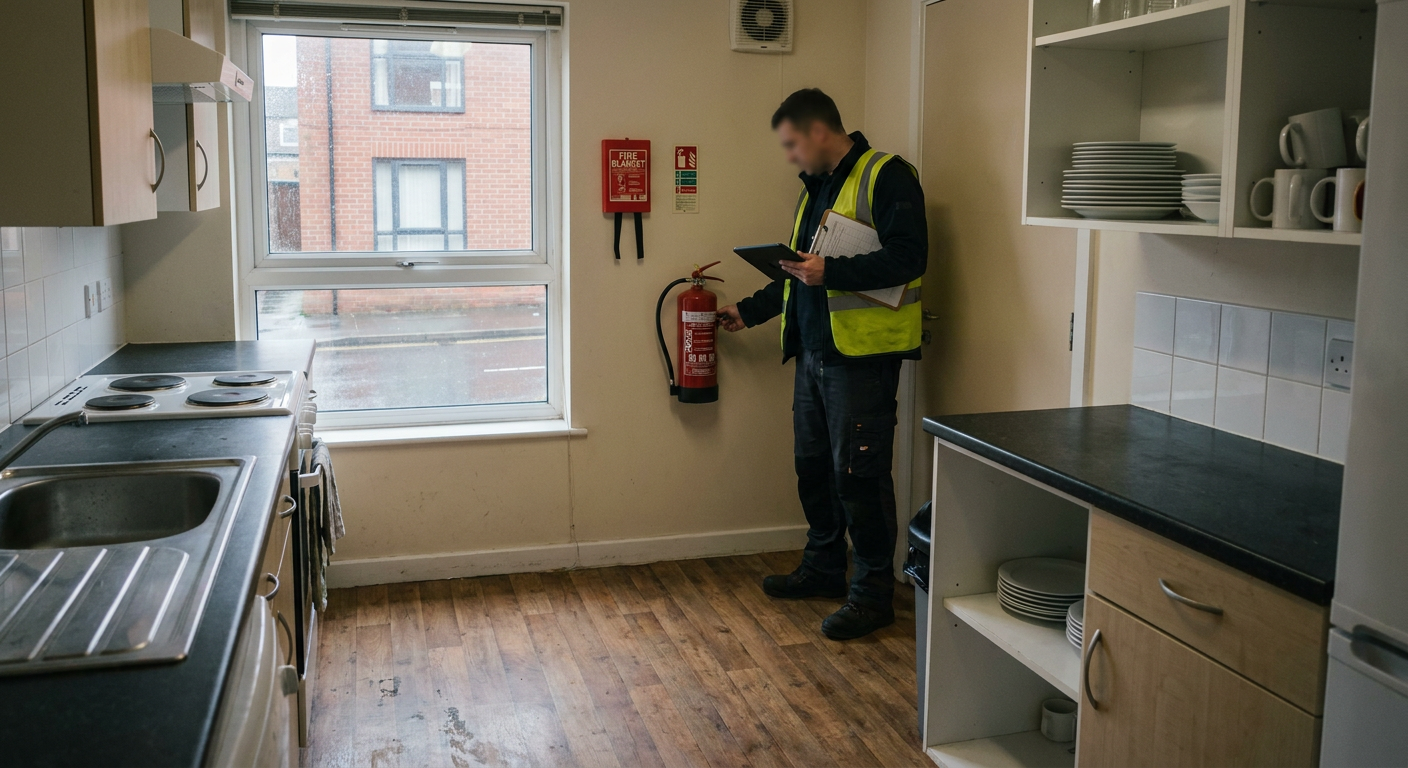
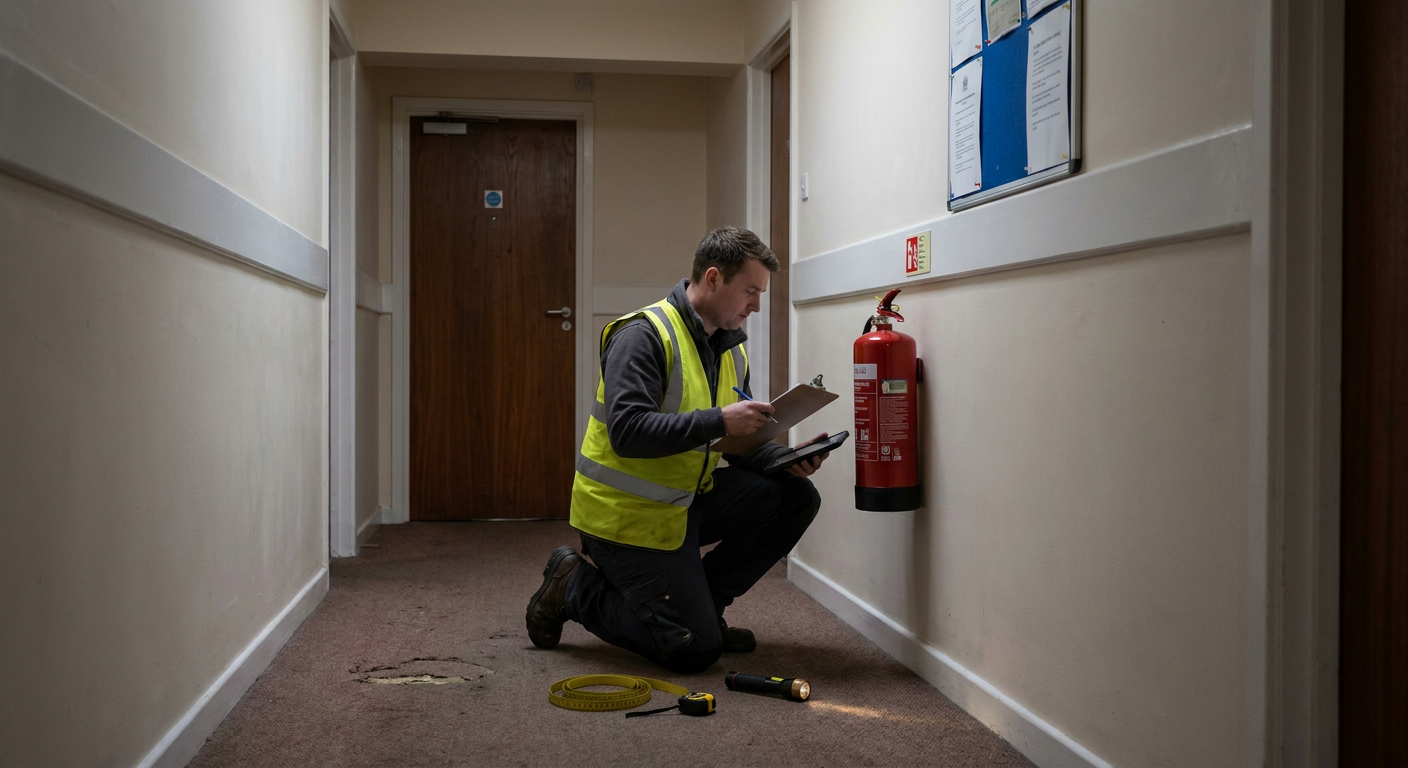
- Annual extinguisher service
- A competent technician inspects each extinguisher, checks its weight, pressure and discharge mechanism, and records whether it meets the current UK service interval.
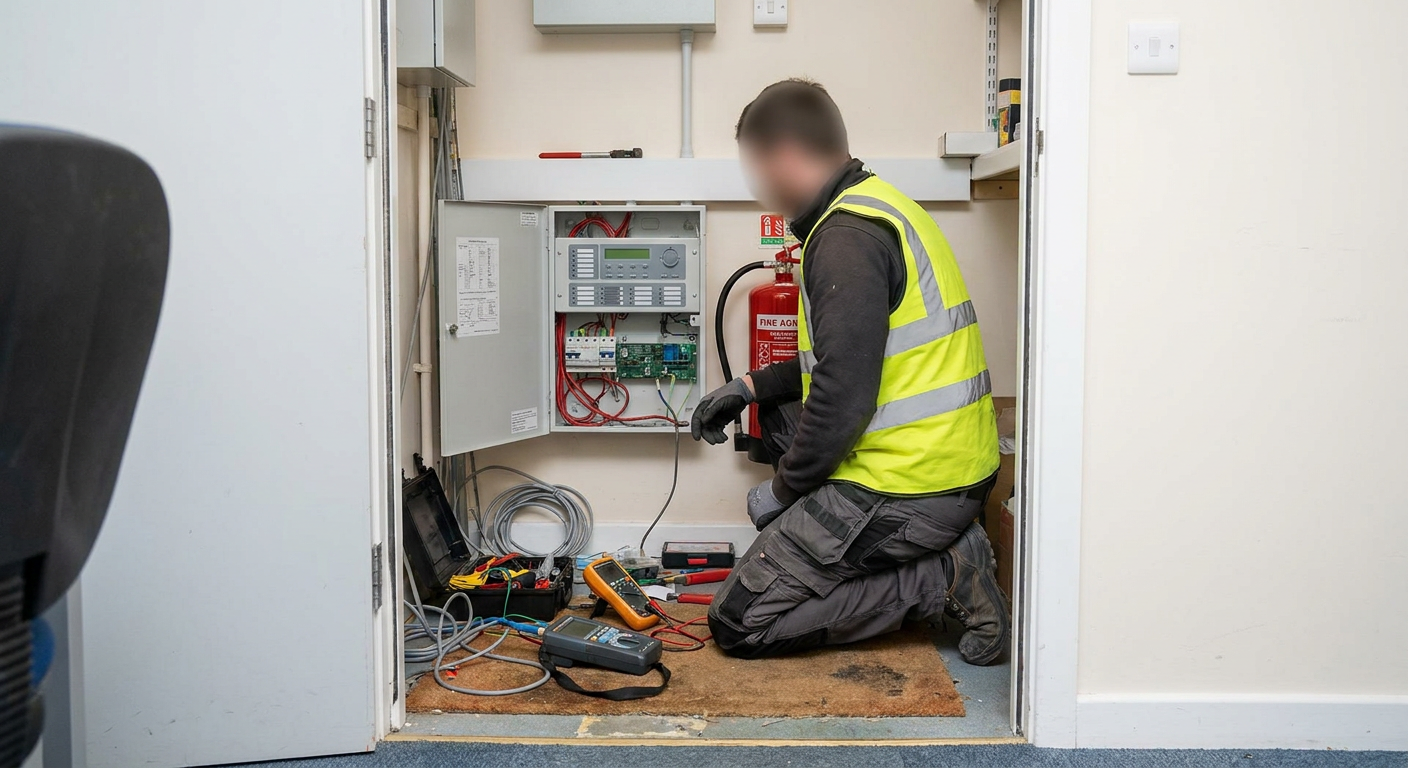
- Weekly alarm test
- The responsible person or managing agent triggers a manual call point every week to confirm the sounders work and logs the result in the fire safety record.
- Emergency lighting check
- Monthly function tests and an annual full duration test prove the emergency lighting in a two storey conversion or larger block illuminates escape routes properly.
Why the schedule matters for your home
An assessor carrying out a fire risk assessment in Twickenham will ask to see proof of regular maintenance. Missing records suggest the equipment might fail during a real fire.
People who service fire extinguishers around Richmond and Twickenham follow British Standards. The standard extinguisher service interval across the UK is twelve months for most portable units.
Older cylinders corrode from the inside. A technician advises when an extinguisher has reached the end of its working life and must be replaced rather than refilled.
The alarm testing schedule for a small block usually involves one weekly test by the person responsible for day to day management of the shared areas.
What you receive after the visit
After inspecting the equipment, the specialist provides a written record of its condition and any actions required. This evidence forms part of your ongoing fire safety documentation.
- Service report
- Lists every extinguisher and alarm component inspected, noting defects, replacements and confirming which items passed the examination.
- Updated logbook entries
- Records the date, technician details and outcome of each test so an assessor can verify the maintenance history quickly.
- Replacement schedule
- Identifies any units approaching their expiry date and sets out when they should be swapped out to maintain coverage.
Questions about equipment upkeep
Common points raised by people looking after converted houses and small blocks around Twickenham.
- Servicing frequency for small blocks
- Extinguishers need an annual service. Alarms require a weekly test. An emergency lighting test in Twickenham typically happens monthly, with a longer discharge test once a year.
- Who runs the weekly alarm test
- The responsible person does this. That might be you as the freeholder or a managing agent. They record the outcome in the fire logbook, noting what was tested and any faults found.
- Emergency lighting in conversions
- A two storey conversion usually needs emergency lighting if it lacks borrowed light along the escape route. Monthly function tests and an annual duration test are standard requirements.
- Logbook contents for assessors
- When deciding what to record in a fire logbook, include weekly alarm tests, extinguisher service dates, emergency lighting results and any faults found. Assessors look for consistent, dated entries.
- Advice before spending money
- A specialist reviews the layout and existing equipment first. They advise exactly what the building needs, avoiding unnecessary purchases while ensuring compliance with regulations.
- Arranging a visit promptly
- Once an enquiry describes the building and its current records, the specialist arranges a site visit to inspect the equipment and review the logbook directly.
What determines the cost of servicing
Every building holds different equipment in varying states of repair. The amount of work involved depends on several specific factors at your address.
- Number of units
- More extinguishers and call points take longer to inspect, test and record individually.
- Equipment age
- Older cylinders may need discharge testing or complete replacement instead of a basic visual check.
- Access arrangements
- Gaining entry to multiple flats or locked risers adds time compared to a single open hallway.
The specialist explains the exact cost for your building before any work begins.
Areas covered for equipment servicing
Specialist firms handle fire safety equipment testing and maintenance across Twickenham and the surrounding west London towns. Enquiries from neighbouring areas receive the same attention to detail and local knowledge.
- Fire safety equipment testing and maintenance advice Ealing
- Fire safety equipment testing and maintenance advice Hatton
- Fire safety equipment testing and maintenance advice Heston
- Fire safety equipment testing and maintenance advice New Malden
- Fire safety equipment testing and maintenance advice Putney
- Fire safety equipment testing and maintenance advice Southall
- Fire safety equipment testing and maintenance advice West Molesey
- Fire safety equipment testing and maintenance advice Whitton
If your street is not listed, send an enquiry to check availability nearby.
Ask about your equipment
Send details about your building and its current setup. The information goes to a specialist firm who will respond with advice. It does not commit you to booking any work.
- No obligation to proceed
- Free initial advice
- Local specialists