Student housing
Student accommodation fire safety in Twickenham
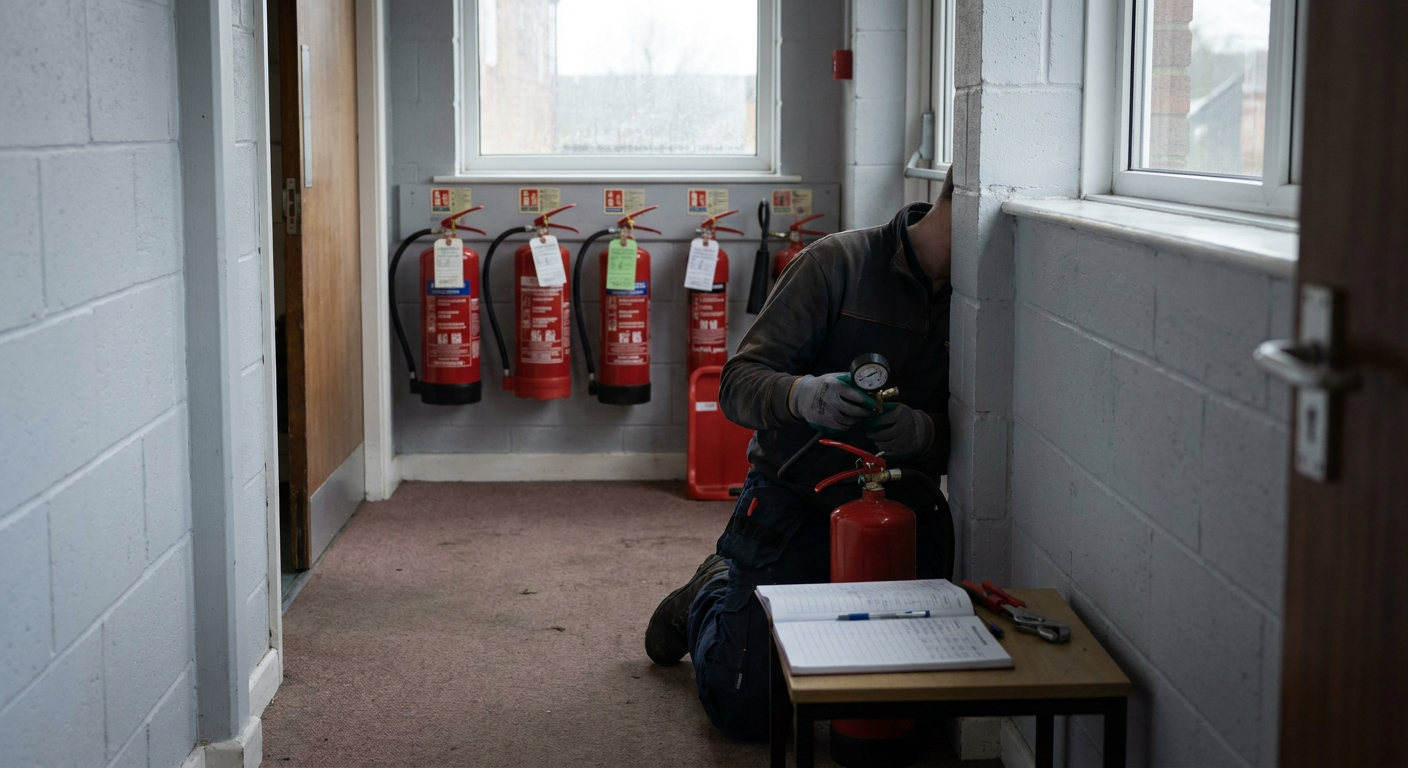
Send details about your student house or halls near the local colleges. A specialist reviews what you describe and explains the next step, with no charge for the initial enquiry.
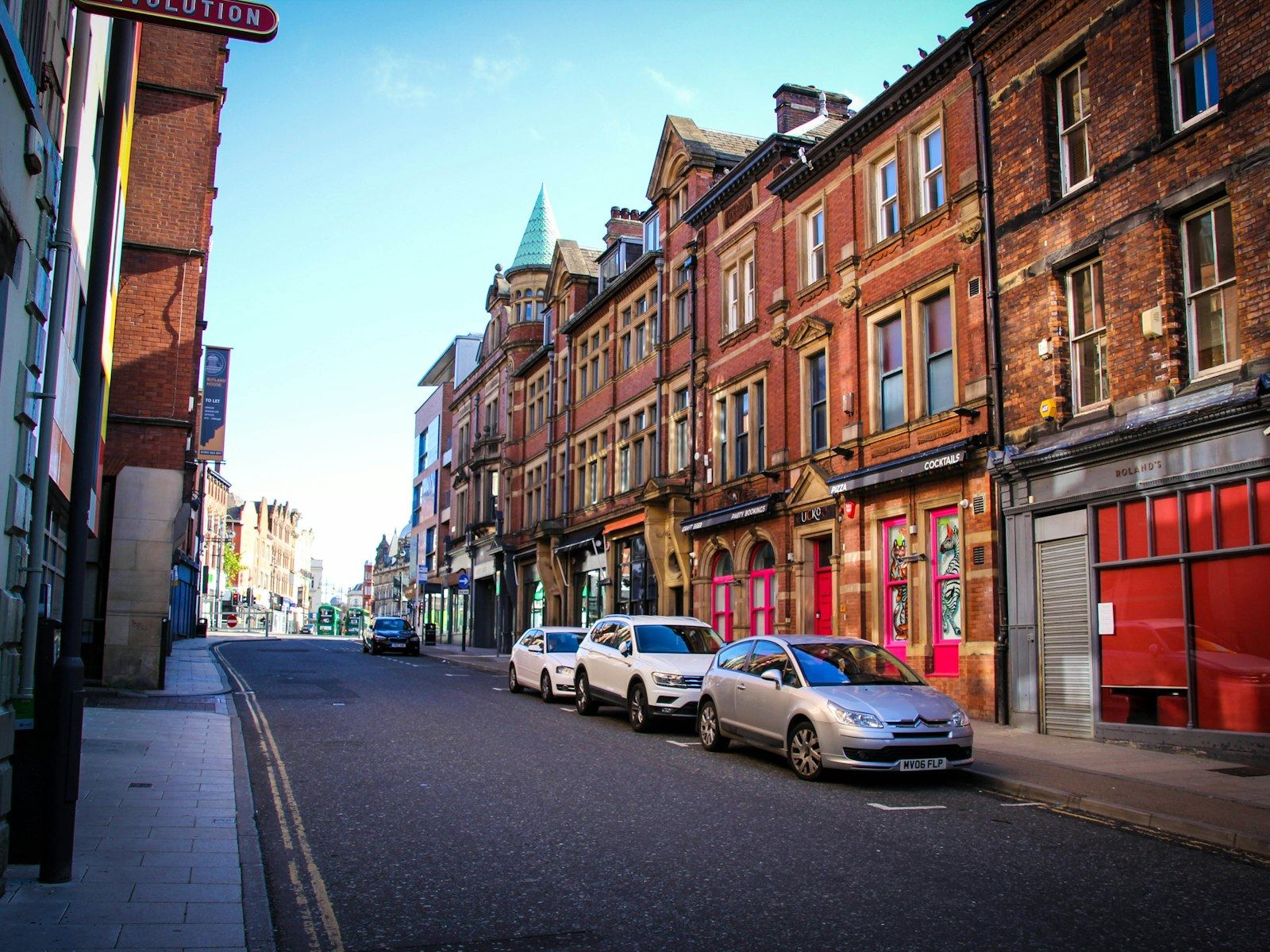
Fire safety in student homes around Twickenham
Checks before students move in for the new term
A term start fire safety Twickenham assessment looks at escape routes, alarm coverage and the condition of every fire door. In larger buildings such as purpose-built blocks near the local colleges, a pbsa fire risk assessment covers compartmentation between floors and the performance of any automatic suppression systems. The timing matters. Student house fire safety checks usually happen during the summer changeover window when rooms are empty and contractors can access every floor without disturbing occupants. The specialist walks through kitchens, stairwells and bin stores, noting anything that fails to meet current standards. They also review records from previous years, including maintenance logs for extinguishers and emergency lighting. If the building holds an HMO licence, the conditions set by the council must be met before occupation begins. The specialist compares the physical layout against those requirements and flags gaps. Find out more about arranging this work through a [fire risk assessment in Twickenham](/fire-safety/fire-risk-assessment-twickenham).
Dealing with wedged doors in shared kitchens
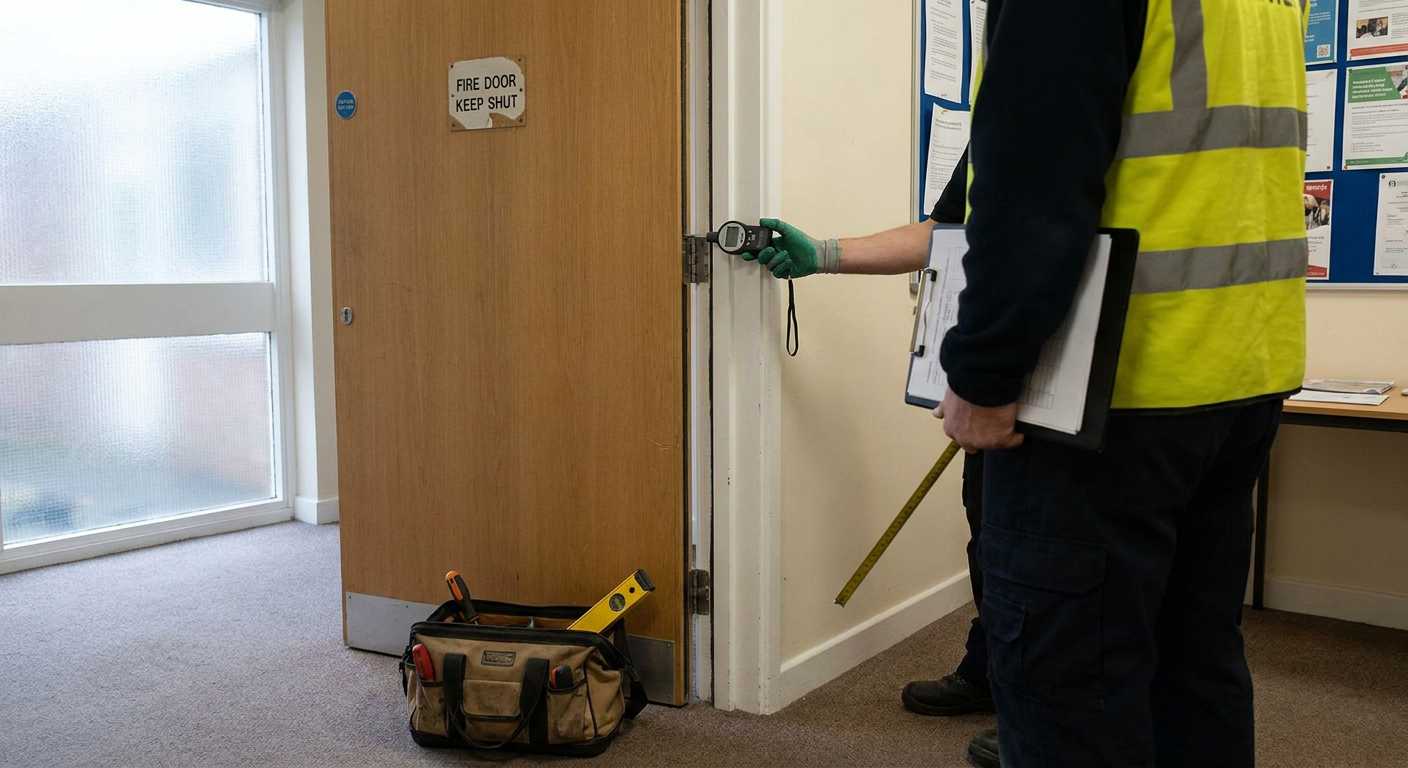
Shared kitchens generate heat, grease and frequent traffic. Students often wedge doors open to carry trays through or to ventilate cooking smells, which defeats the purpose of a fire-resisting barrier. The specialist inspects every student let fire door to confirm it closes fully under its own weight and that the self-closing device has not been removed or painted over.
Where doors are routinely propped open, the report recommends either closer adjustment or the installation of hold-open devices linked to the fire alarm. These release automatically when the alarm sounds, keeping the corridor sealed during a real event. The specialist also checks the intumescent strips and cold smoke seals around the frame, since repeated slamming damages them over time.
Cooking areas require particular attention. Extraction hoods above cookers accumulate grease, which ignites easily if left uncleaned. The assessment notes whether filters are accessible and whether cleaning schedules exist. Read what gets checked during a [fire door inspection](/responsible-person/fire-door-checks) to understand the detail involved.
Alarm coverage for a shared student house
Shared house alarm requirements depend on the number of storeys, the layout and how many people sleep there. A standard interlinked system might suffice for a small conversion, but a three-storey home with six bedrooms typically needs a graded system with detectors in every room and sounders loud enough to wake someone wearing headphones.
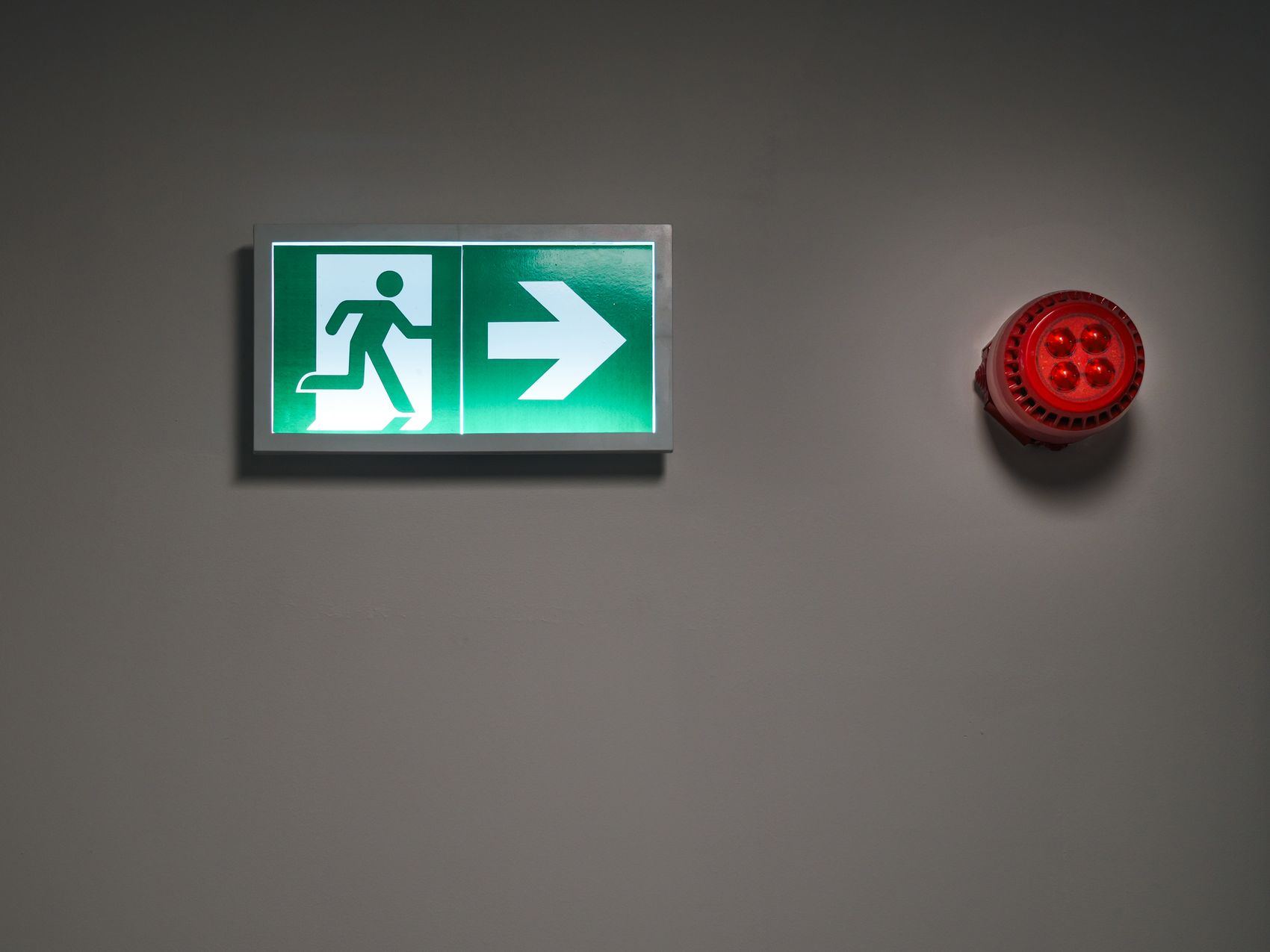
During a halls of residence fire inspection, the specialist tests call points on each floor and measures sound levels at the bedhead in every room. They verify that the control panel displays the correct zone when a detector activates, so the source of the alarm is immediately obvious. Battery backups are tested to confirm the system survives a mains failure.
False alarms cause problems in student housing because repeated nuisance activations lead residents to ignore warnings or disable equipment. The specialist identifies detectors placed too close to shower rooms or kitchen toasters and recommends repositioning or switching to multi-sensor heads that distinguish steam from smoke. See how [alarm and escape plans](/fire-safety/fire-evacuation-plans-twickenham) work together.
Records of drills and induction for each intake
Every new group of residents arrives unfamiliar with the building. Induction sessions cover the location of exits, the meaning of different alarm tones and the assembly point outside. The specialist checks whether written procedures exist and whether they match the actual layout, since furniture and storage often shift between academic years.
Drill records demonstrate that evacuation works in practice. The assessment reviews dates, duration and any problems noted during previous exercises. If no drills have taken place, the specialist recommends a schedule aligned with term dates. Staff who manage the building may need formal instruction; [fire warden training](/fire-safety/fire-warden-training-twickenham) covers their specific duties during an evacuation.
Documentation also includes the [fire safety policy](/fire-safety/fire-safety-policy-and-procedures-twickenham), which sets out responsibilities for the landlord, managing agent and tenants. The specialist confirms that the responsible person named in the policy understands their obligations and knows how to maintain records between assessments.
What happens when issues surface close to term start
Finding a fault weeks before occupation creates pressure. The specialist prioritises findings by risk, separating items that prevent safe occupation from those that can follow a short remediation plan. Blocked escape routes, missing fire doors or non-functional alarms fall into the first category and must be resolved before anyone moves in.
Less urgent matters, such as faded signage or a damaged notice board, receive a recommended completion date that falls after the term begins. This approach keeps the building legal while allowing contractors time to source parts. The specialist revisits once the work is finished to confirm compliance.
Costs vary with the size and complexity of the building. A six-bedroom house requires less survey time than a multi-storey block, so the fee reflects the scope. Request details about [what a fire risk assessment costs](/fire-safety/fire-risk-assessment-twickenham) to understand how pricing works for different property types in the area.
Related services
Fire safety services for student housing
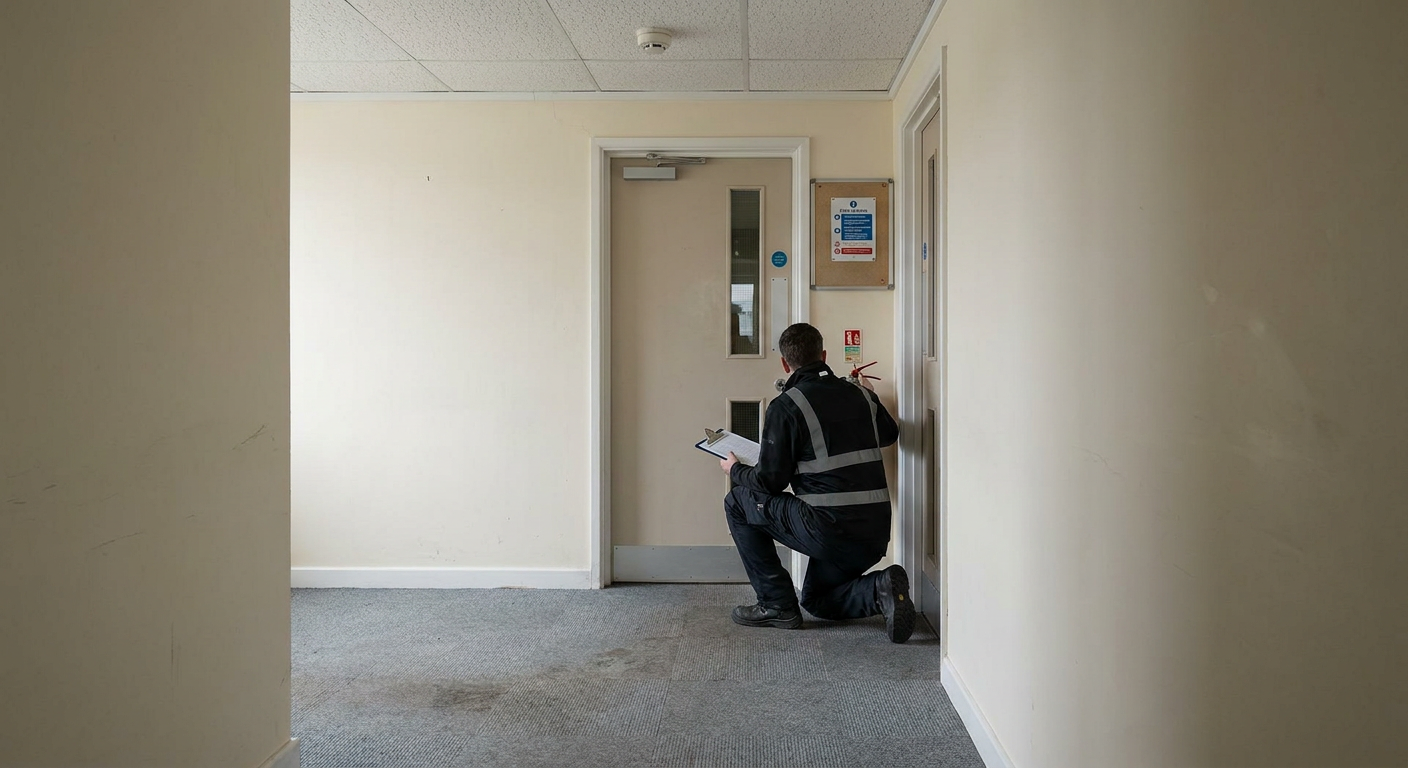
Compartmentation survey
Checking walls, floors and ceiling voids to confirm fire cannot spread unseen between rooms or storeys in shared housing.
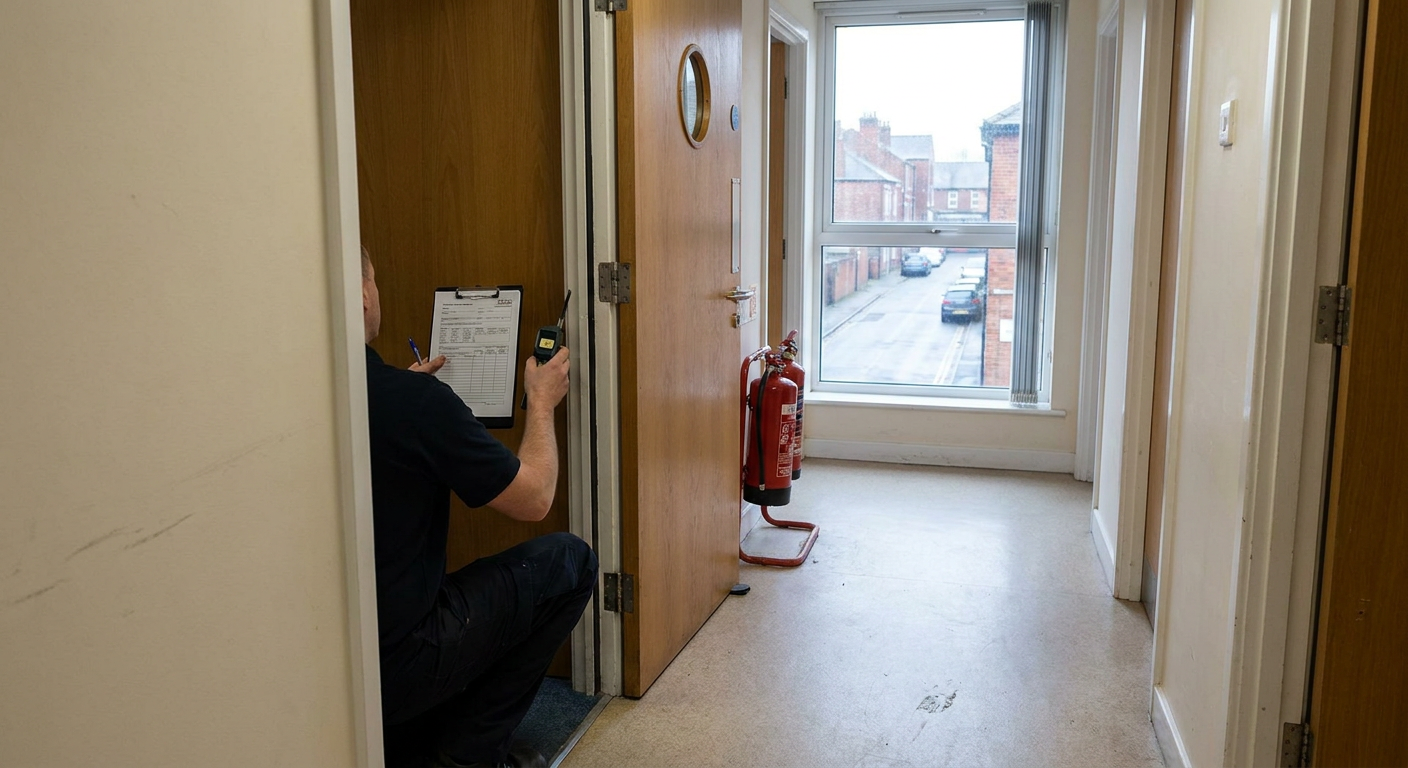
Equipment testing advice
Guidance on servicing extinguishers, blankets and emergency lighting so they function when needed during the academic year.
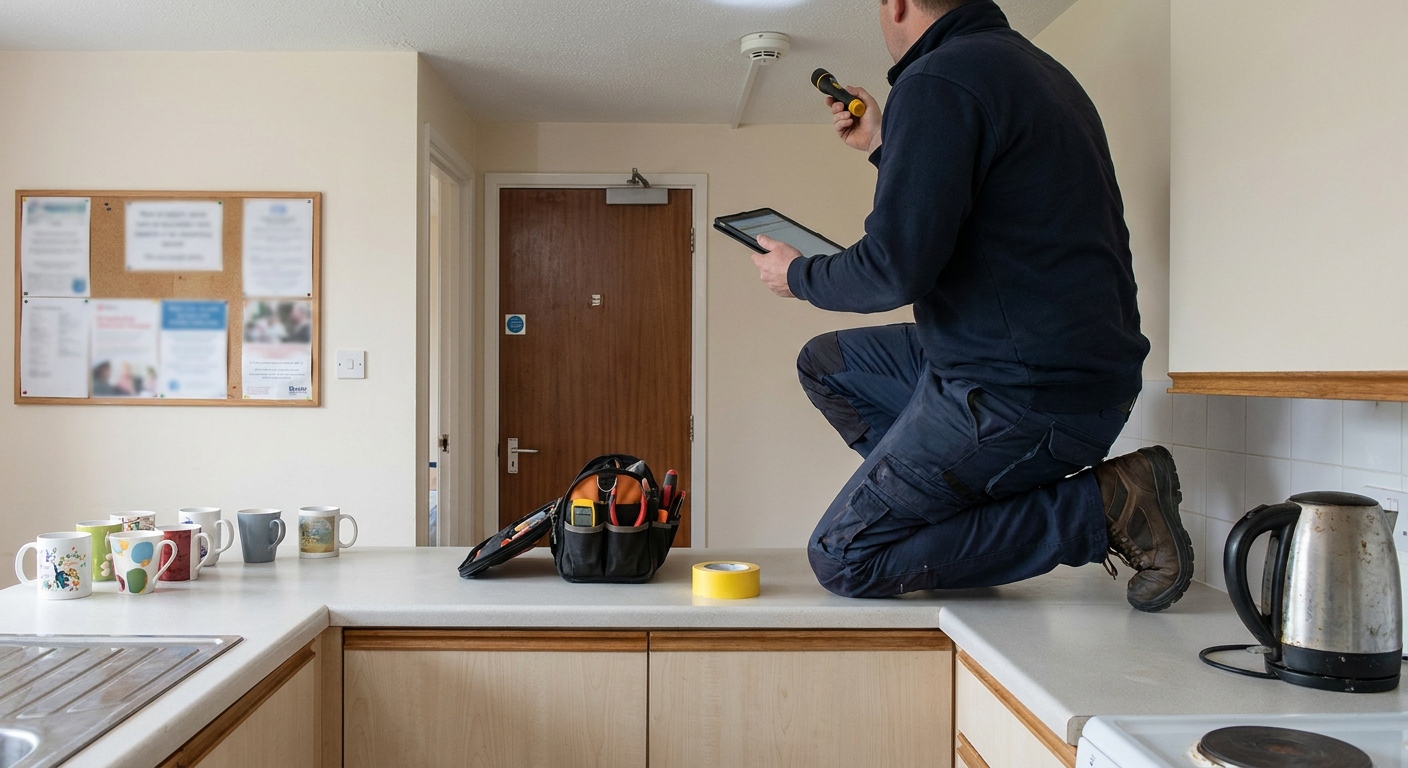
Staff awareness courses
Training for wardens and caretakers who manage day-to-day safety and guide students out during an alarm activation.
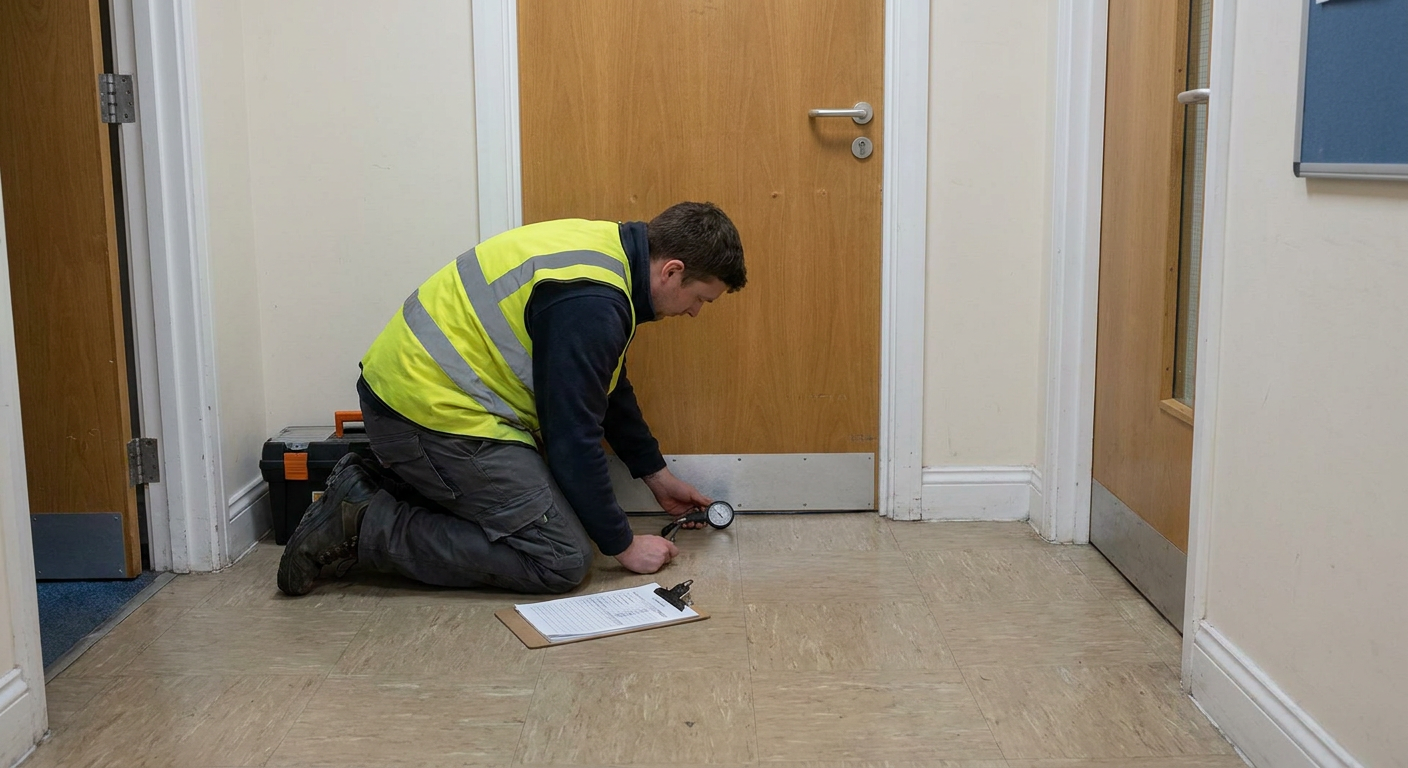
HMO assessment guide
Specific requirements for licensed houses in multiple occupation, covering room sizes, escape windows and detection grades.
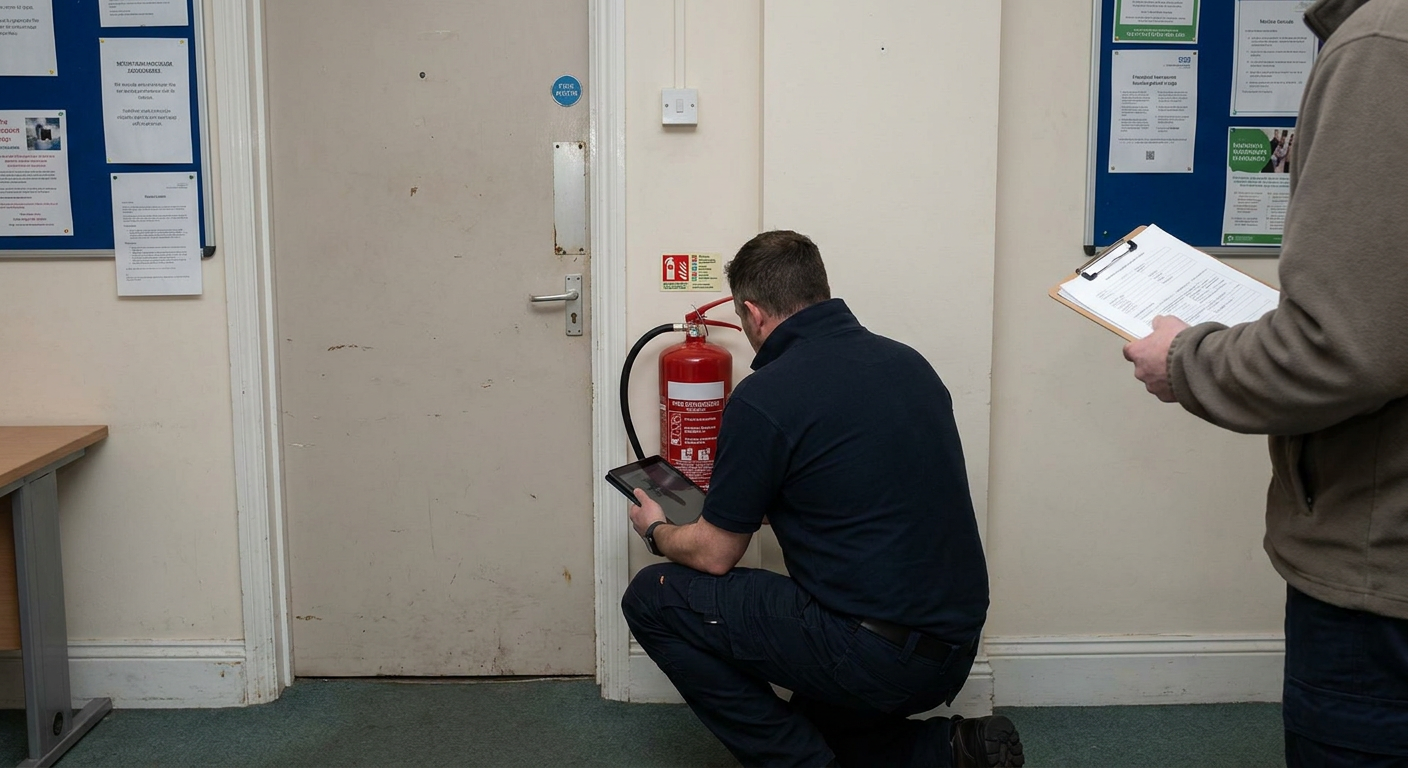
Nominated person service
Appointing someone to oversee daily precautions, maintain records and act as the contact point for residents and inspectors.
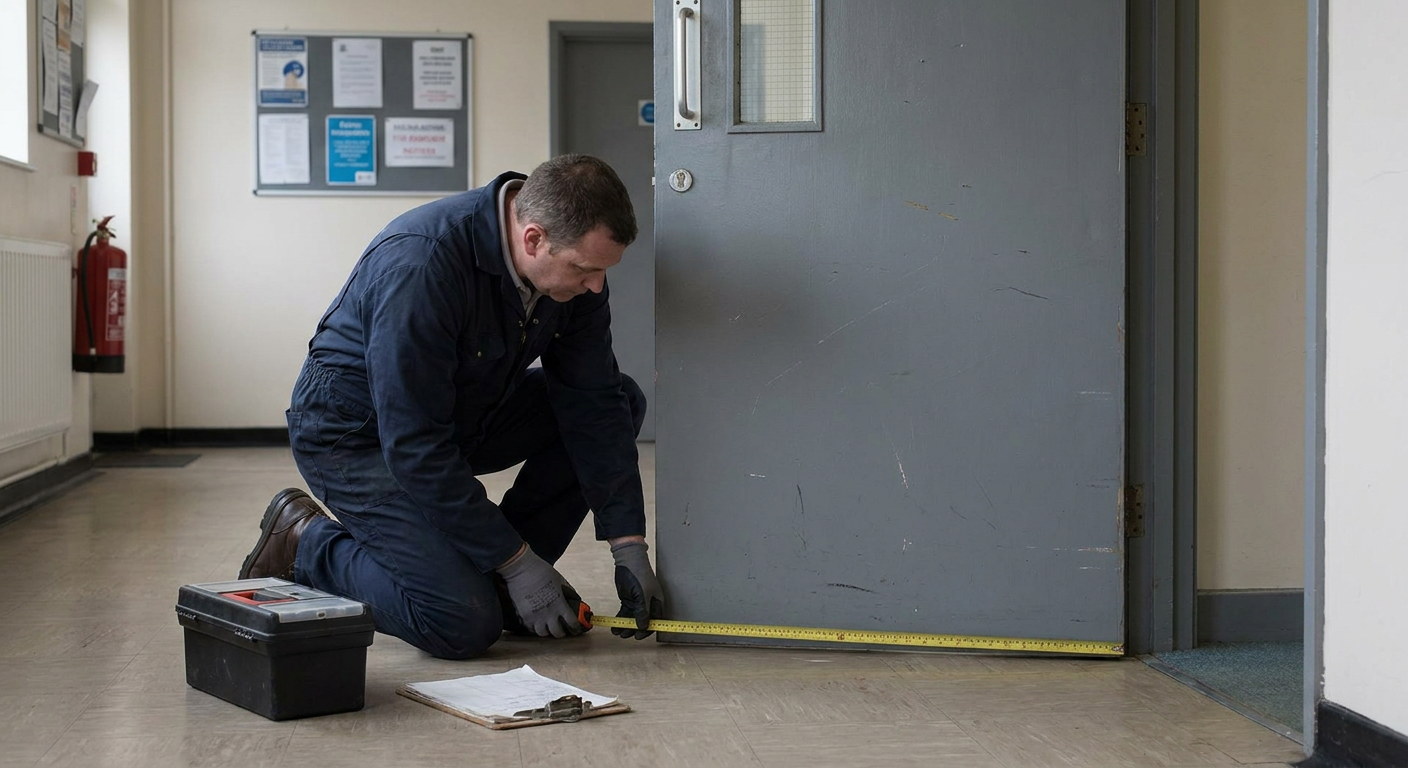
Health and safety reports
Documented findings covering slips, electrical hazards and general welfare alongside fire precautions in communal areas.
Choosing the right assessment for student housing
The type of building determines which assessment applies. A converted house and a purpose-built block face different rules.
Shared student house
- Typical structure
- Converted residential home with shared kitchen and bathrooms.
- Detection grade
- Often requires a higher grade due to mixed use of rooms.
- Door requirements
- Retrofit fire doors fitted to existing frames where possible.
- Management level
- Landlord or letting agent handles day-to-day oversight.
Purpose-built block (PBSA)
- Typical structure
- Built specifically for students with en-suite rooms and communal lounges.
- Detection grade
- Designed with integrated systems meeting commercial standards from the outset.
- Door requirements
- Doorsets fitted during construction to the standards required at the time.
- Management level
- On-site staff present during working hours with dedicated management offices.
A specialist reviews the building layout and occupancy to advise which assessment satisfies the regulations.
Ask about your student accommodation
Describe the building and the deadline you face. A specialist reads the details and replies with what is required, without committing you to any work or fee.
- No obligation to proceed
- Student accommodation fire safety checks
- Local knowledge of Twickenham