Compartmentation survey
Compartmentation survey in Twickenham buildings
Send details of your home or block and find out what a compartmentation survey in Twickenham involves. There is no charge for the initial conversation, so you can decide if the work is needed before anything starts.
Stages of a compartmentation survey
The specialist firm follows a set sequence when inspecting hidden fire barriers inside a building.

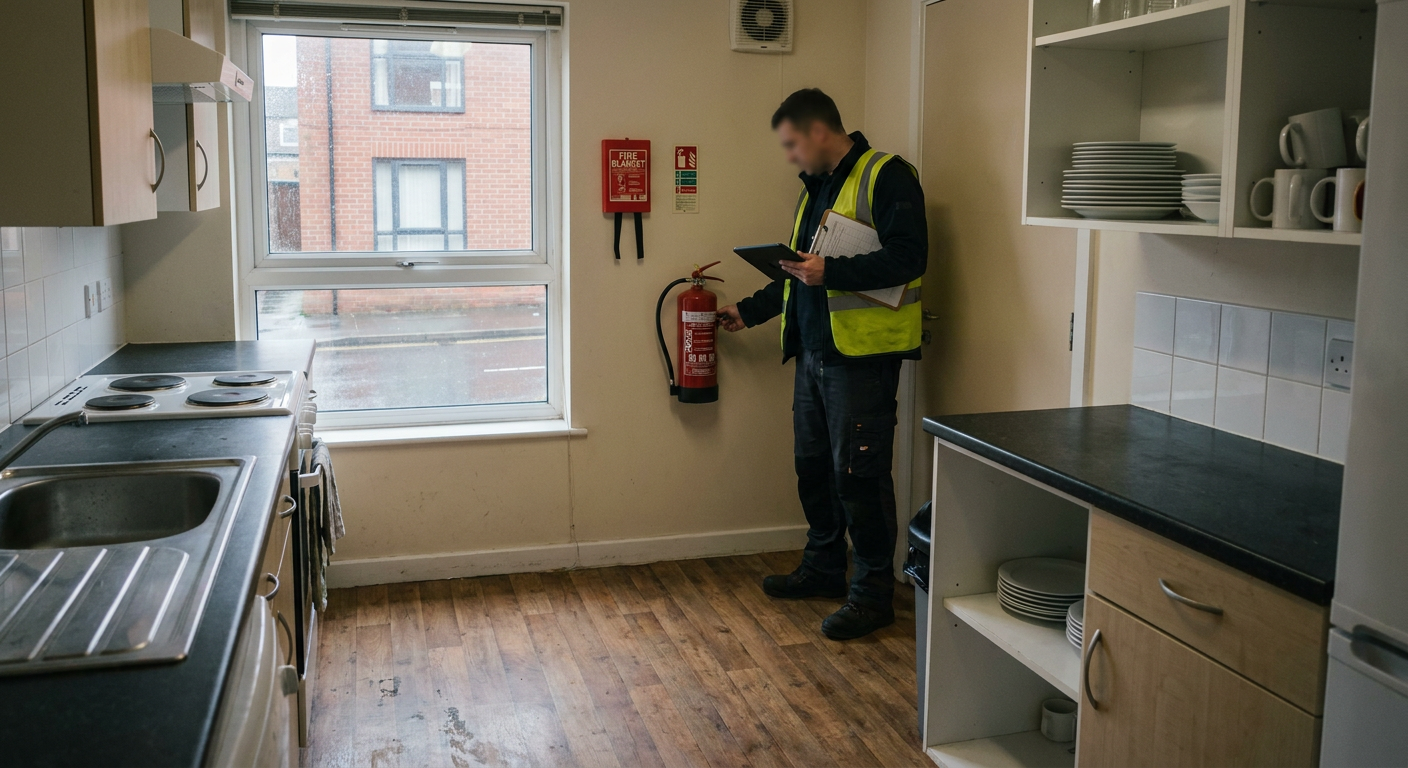
Opening up
The specialist removes ceiling tiles or creates small access holes to view the voids above.
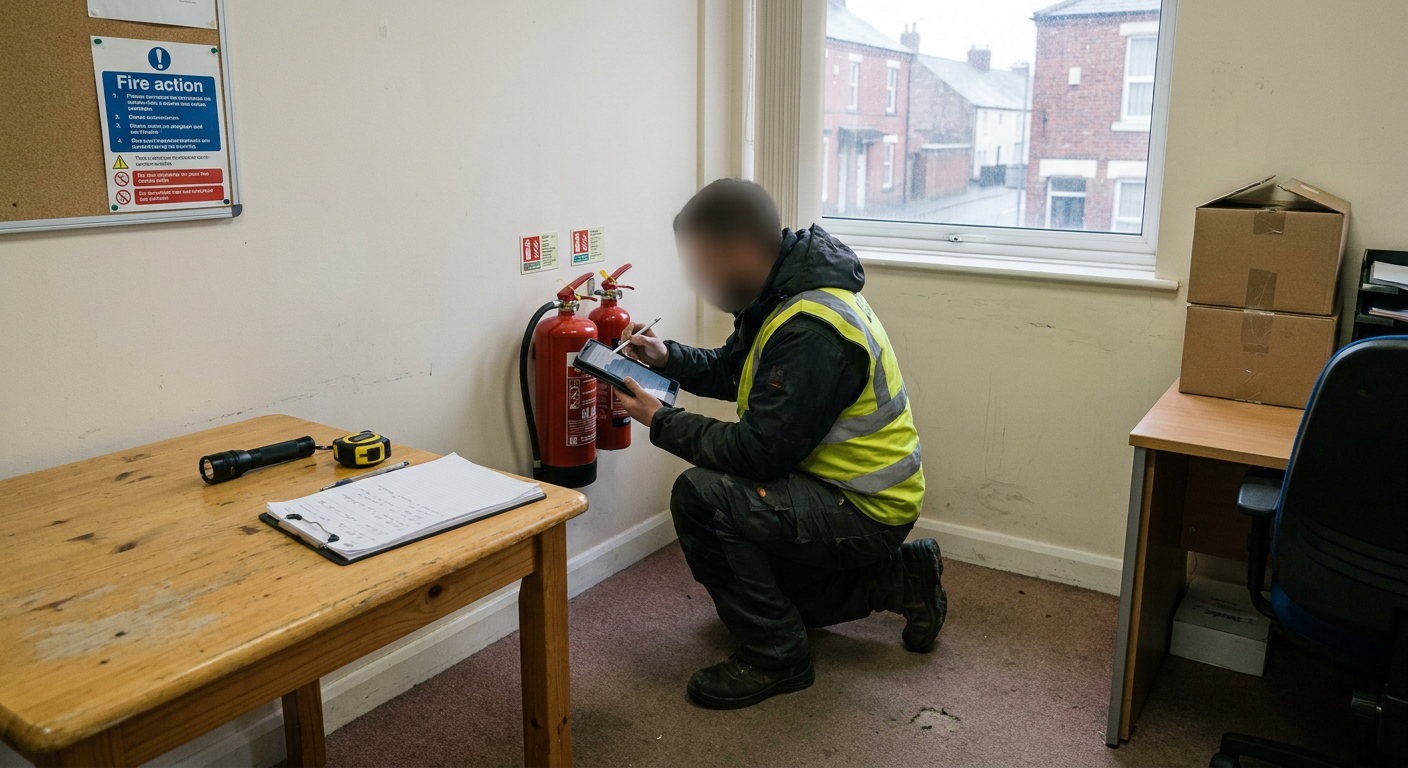
Inspection
They examine cavity barriers, service penetrations and risers for gaps that could let smoke spread.
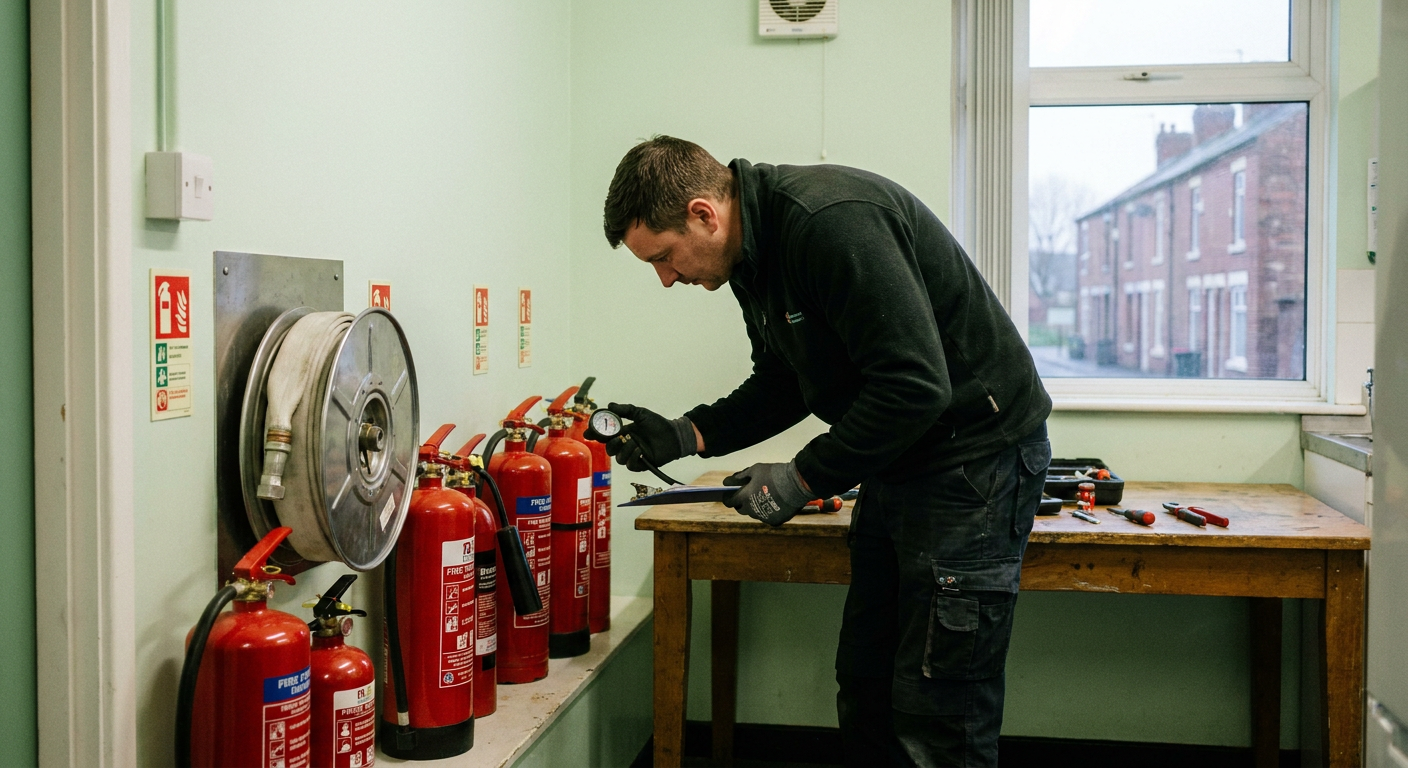
Reporting
A written document records every breach found and specifies the remedial fire stopping required.
What the inspection covers
Hidden gaps defeat compartmentation. The specialist looks for them in the places residents never see.
- Breaches above ceilings An intrusive fire survey in a block of flats often reveals missing fire stopping where pipes pass through the floor slab above suspended ceilings.
- Service penetrations A service penetration fire stopping survey checks where cables and pipes enter risers, ensuring the original seal has not been disturbed by later trades.
- Cavity barriers Timber-framed walls need intact barriers. A cavity barrier inspection in London homes confirms they remain fixed and undamaged behind plasterboard.
- Risers and cupboards Vertical shafts carry services between floors. The specialist opens these to check that each floor line is properly sealed against fire spread.
- Converted house layouts A fire stopping report for a converted house addresses the extra complexity of shared voids created when a single dwelling was split into flats.
Before and after the survey
Every building starts with unknowns. The survey replaces them with a clear record of what exists and what needs attention.
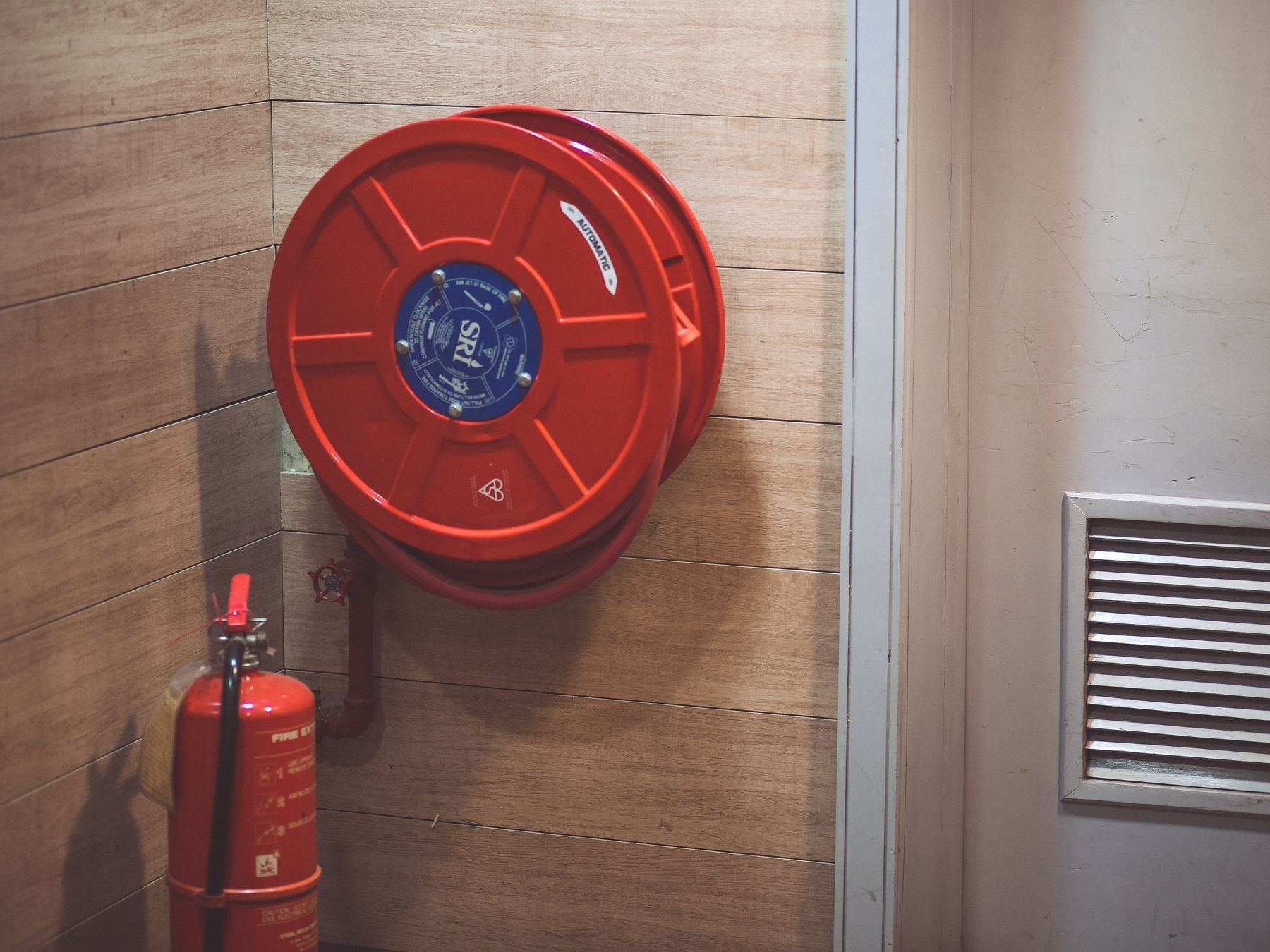
Before the survey
Gaps around pipes and missing cavity barriers sit unseen above ceilings. Residents have no way of knowing if smoke can travel between flats.
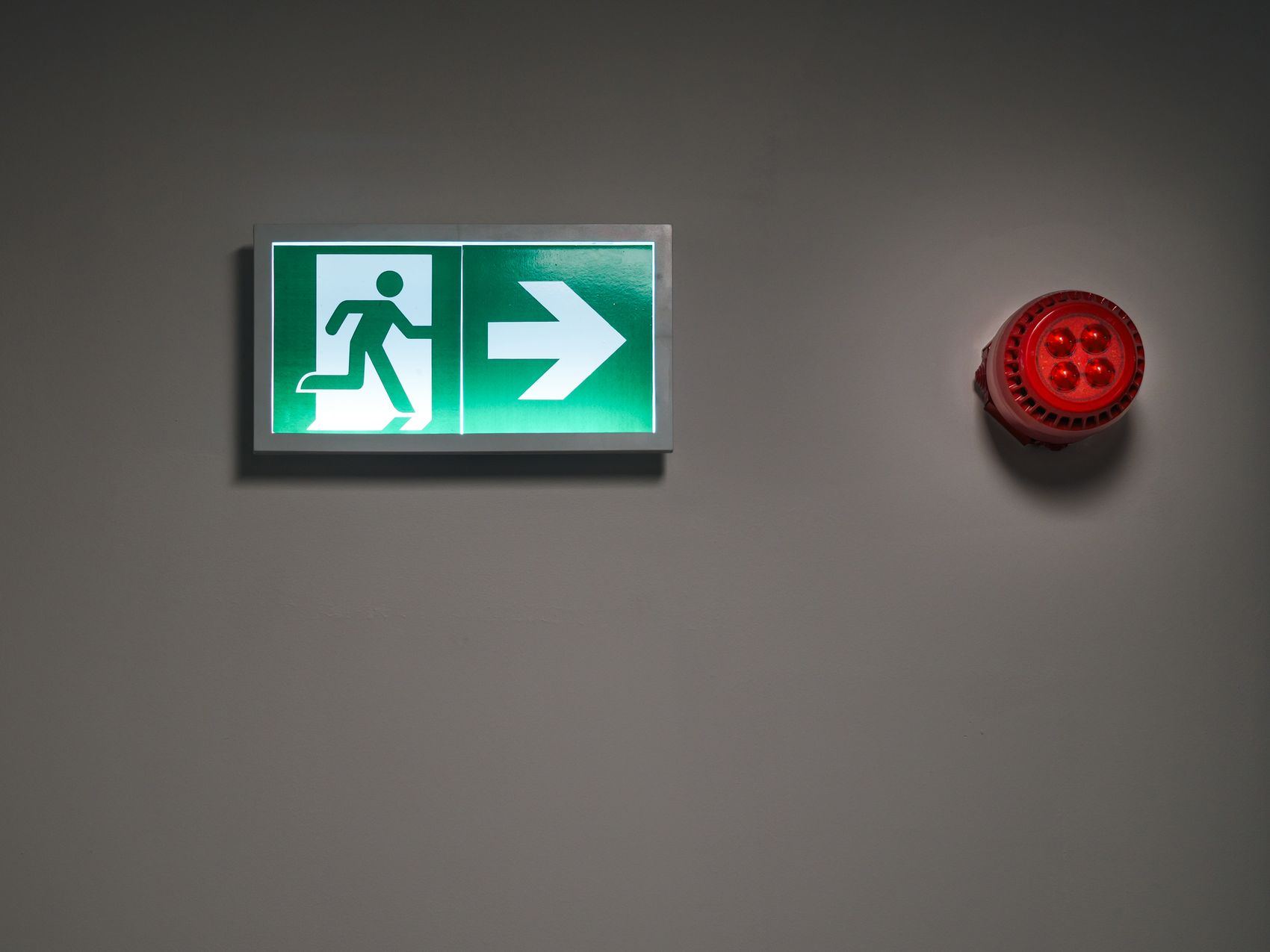
After the survey
The report maps every breach and specifies the exact fire stopping materials needed. Contractors use it to price and complete the repairs.
Questions about compartmentation surveys
What does a compartmentation survey involve in a converted Victorian house?
The specialist examines the hidden voids created during conversion. They look at spaces above ceilings, inside partition walls and around old chimney breasts where fire separation may be incomplete or damaged by later plumbing and wiring work.
Will you need to cut holes in my ceilings and who makes good afterwards?
A breaches above ceiling survey requires access to the voids. The specialist cuts small inspection openings or lifts existing panels. Making good the decorative finish afterwards falls to a separate contractor, which the report will note.
How much does a compartmentation survey cost for a block of six flats?
Pricing depends on the layout, age and accessibility of the building. Send the address and floor plans through the enquiry form and the specialist firm will provide a figure based on those specifics.
Do you survey inside risers and service cupboards or only communal areas?
The inspection includes risers, service cupboards and any shared voids. A fire compartmentation check for flats must cover the routes smoke takes between dwellings, which means opening locked cupboards and examining vertical shafts.
How long will the survey take and will residents need to be in?
A typical block takes one to two days. Someone must grant access to each flat and the common parts, but residents do not need to stay home for the full duration if keys or escorts are arranged.
What does the report tell me about breaches and who fixes them?
The document lists every gap, missing barrier or failed seal with photographs and locations. It specifies the remedial work required. Separate fire stopping contractors carry out the physical repairs using the report as their instruction.
Can the findings be used to support a building insurance renewal?
Insurers frequently ask for evidence that fire separation is maintained. The written report provides a dated record of the building's condition, which underwriters accept as proof that compartmentation has been professionally assessed.
How soon after the survey do I get the written report?
The specialist usually delivers the completed document within five to ten working days of the site visit. Complex buildings with many breaches may take slightly longer to compile and check.
Compartmentation survey Twickenham
Most of the effort belongs to the specialist firm. Your part is limited to providing access and basic information about the building.
What you do
- Describe the building type and number of dwellings
- Provide access to all flats, risers and common parts on the agreed date
What a specialist does
- Plan the inspection route through the building
- Open up voids and examine hidden fire barriers
- Photograph and record every breach found
- Write the report specifying required fire stopping work
- Deliver the completed document to you
Areas covered around Twickenham
Enquiries are taken for homes and blocks across Twickenham and the surrounding west London towns. The specialist firms operate throughout this area.
If your street is not listed, send an enquiry anyway. Coverage extends across west London.
Ask about a compartmentation survey
Send the details of your home or block. The enquiry goes to a specialist firm who will reply with what the work involves. You are not committed to booking anything by asking.
- No obligation to proceed
- Free initial discussion
- Local specialist firms